The Role of Life Farm in Promoting Eco-Friendly Farming Practices
As the world grapples with climate change and resource depletion, the need for eco-friendly farming practices has never been greater. Life Farm plays a pivotal role in addressing these challenges through its innovative approach to sustainable agriculture.
1. Educating Farmers and Learners
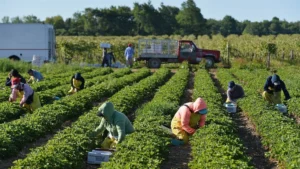
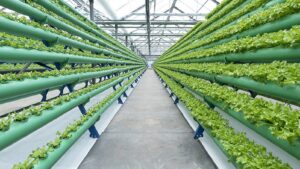
Life Farm’s training programs cover essential eco-friendly practices like Organic Farming, Hydroponics, and Agroforestry. These modules are designed to minimize the environmental impact of farming while ensuring high yields.
2. Reducing Carbon Footprint
Through practices like Vermi Composting and Green Energy integration, Life Farm helps farmers adopt methods that reduce their carbon footprint. These techniques not only benefit the planet but also cut costs for farmers.
3. Reviving Traditional Methods
While Life Farm embraces modern technology, it also emphasizes the importance of traditional methods like Vedic Farming. These age-old practices restore soil health and promote biodiversity, making them a cornerstone of eco-friendly agriculture.
4. Promoting Water Conservation
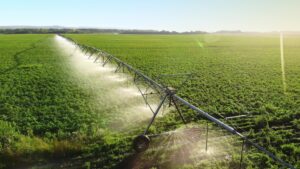
Water scarcity is a pressing issue in agriculture. Life Farm’s Hydroponics module demonstrates how crops can be grown with significantly less water compared to conventional farming, making it a sustainable solution for the future.
5. Building a Sustainable Community
Life Farm isn’t just a training center – it’s a community dedicated to sustainable agriculture. By bringing together farmers, learners, and experts, Life Farm fosters collaboration and innovation in eco-friendly farming.
Conclusion
The role of Life Farm in promoting eco-friendly farming practices is indispensable. By educating farmers and learners, reducing environmental impact, and fostering a community of sustainability advocates, Life Farm is paving the way for a greener and more sustainable future.